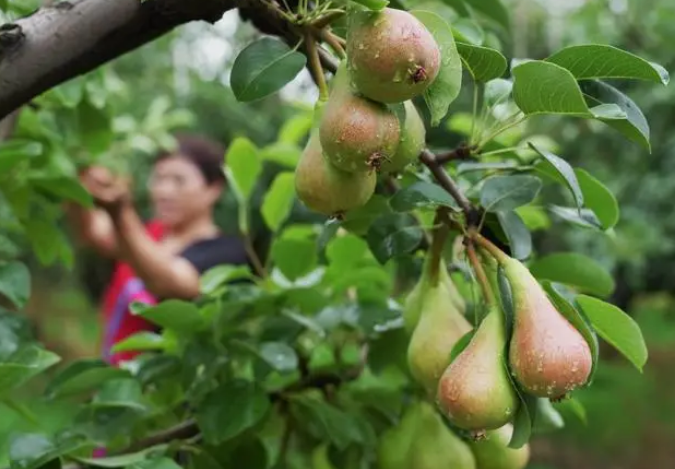
Shanghai Pear Paste Production Skill
Introduction
Shanghai pear paste, a traditional Chinese remedy, is renowned for its soothing effects on the throat and respiratory system. This herbal paste is celebrated for its ability to alleviate coughs, reduce phlegm, and provide relief from sore throats and related respiratory ailments. The production of Shanghai pear paste involves meticulous craftsmanship, which has been handed down through generations, ensuring that the paste maintains its efficacy and traditional essence. The process requires precise selection of ingredients, careful cooking methods, and a deep understanding of herbal medicine principles. The paste is a testament to the rich cultural heritage of traditional Chinese medicine, embodying a blend of natural ingredients and time-tested techniques. The production skill of Shanghai pear paste candy was included in the national-level intangible cultural heritage list in 2021.
History
The history of Shanghai pear paste production is deeply intertwined with the development of traditional Chinese medicine. The origin of this herbal remedy can be traced back to ancient times when Chinese herbalists sought natural methods to treat common ailments such as coughs and sore throats. Over centuries, the formula evolved, incorporating a variety of herbs and fruits that were believed to have medicinal properties. The practice became particularly popular in the Shanghai region, where local herbalists perfected the technique of creating a concentrated, soothing paste from pears and other natural ingredients. This tradition has been preserved and passed down through generations, reflecting a rich cultural tapestry of knowledge and practice in herbal medicine.
Ingredients
The ingredients used in Shanghai pear paste are carefully selected for their medicinal properties. The primary ingredient is, of course, pears, which are known for their hydrating and soothing qualities. In addition to pears, the paste typically includes honey, which acts as a natural sweetener and also provides antibacterial benefits. Other ingredients may include Chinese herbs such as fritillaria bulbs, which are believed to have a cooling effect on the body, and licorice root, which is known for its anti-inflammatory properties. Some recipes may also incorporate ginger or other spices to enhance the flavor and therapeutic effects of the paste. Each ingredient is chosen not only for its health benefits but also for its ability to complement the overall balance of flavors and effectiveness of the paste.
Traditional Production Techniques
Preparation of Ingredients
The preparation of ingredients for Shanghai pear paste is a crucial step in the production process. Fresh, ripe pears are typically selected for their sweetness and juiciness. These pears are thoroughly washed, peeled, and cored to remove any impurities. The other ingredients, such as herbs and spices, are carefully measured and prepared according to traditional recipes. This may involve slicing, grinding, or soaking the herbs to ensure they are ready for incorporation into the paste. The preparation process requires careful attention to detail to maintain the purity and quality of the ingredients.
Cooking Process
The cooking process for Shanghai pear paste involves simmering the prepared ingredients over low heat. The pears are slowly cooked down to release their natural juices, creating a thick, syrupy base for the paste. Herbs and other ingredients are gradually added to the mixture, allowing their flavors and medicinal properties to infuse into the syrup. The cooking process is typically long and slow, often taking several hours, to ensure that the paste reaches the desired consistency and potency. Throughout the process, the mixture is carefully monitored and stirred to prevent burning and to achieve a smooth, homogenous texture.
Cooling and Solidification
Once the cooking process is complete, the paste is allowed to cool and solidify. This step is essential for transforming the syrupy mixture into a thick, spreadable paste. As the mixture cools, it is continuously stirred to maintain its texture and prevent separation of the ingredients. The paste is then carefully poured into containers, where it sets and takes on its final form. This cooling and solidification process not only ensures the paste's consistency but also helps preserve its medicinal properties and shelf life.
Cultural Significance
Shanghai pear paste holds significant cultural value in Chinese society. It is not only a remedy for common ailments but also a reflection of traditional health practices and beliefs. The paste is often associated with family care, as it is commonly prepared and administered by older family members to younger ones, especially during the colder months when respiratory ailments are prevalent. It symbolizes a connection to past generations and their wisdom in using natural remedies for health and well-being. Additionally, Shanghai pear paste is often given as a gift, representing care and consideration for the recipient's health.
Modern Adaptations
In recent years, Shanghai pear paste has seen modern adaptations to meet changing consumer preferences and lifestyles. Some producers have introduced variations that incorporate additional flavors or enhanced ingredients to cater to contemporary tastes. There has also been an emphasis on creating more convenient forms of the paste, such as ready-to-use sachets or capsules, making it easier for people to incorporate this traditional remedy into their busy lives. Despite these adaptations, the core principles and traditional methods of production remain at the heart of this beloved remedy.
Preservation and Promotion Efforts
Efforts to preserve and promote the traditional production skills of Shanghai pear paste are ongoing. These include educational initiatives to teach younger generations the techniques and importance of this cultural heritage, as well as collaborations with health and culinary experts to explore new applications for the paste. Festivals and cultural events often feature demonstrations of pear paste production, helping to raise awareness and appreciation for this traditional craft. Additionally, efforts to document and record the history and techniques associated with Shanghai pear paste are crucial in ensuring its survival for future generations. Photo Gallery(1 picture)CategoriesLifestyleTagFood CultureIntangible Cultural HeritageCatalogue1. Introduction2. History3. Ingredients4. Traditional Production Techniques5. Cultural Significance6. Modern Adaptations7. Preservation and Promotion Efforts- - - []








